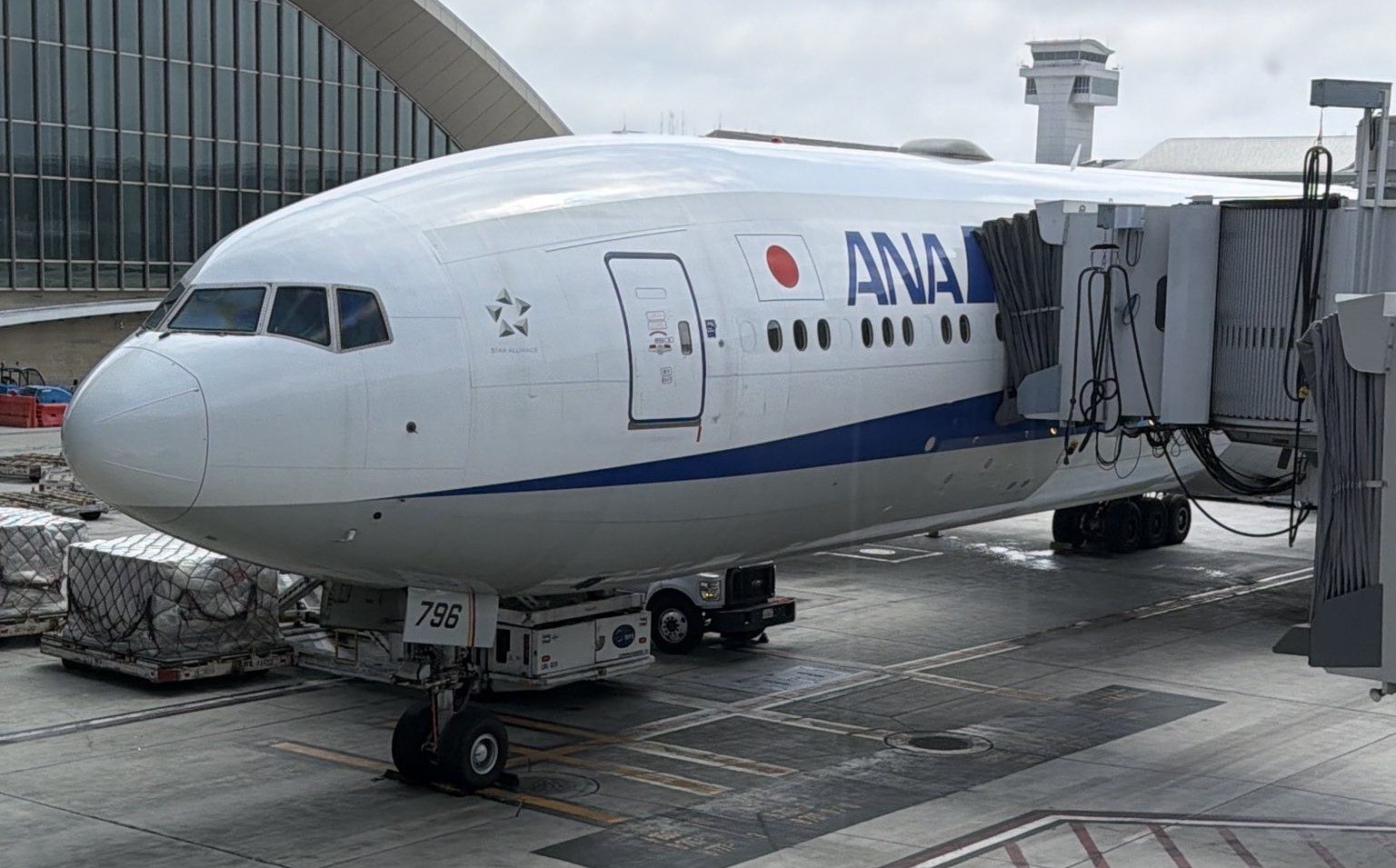
My first trip to Japan turned into a surprise solo adventure—and it was not what I expected.
Instead of following the plan I had imagined, I ended up boarding my first international flight to Tokyo alone.
I got on the plane and I went.
What followed was two weeks in Tokyo that were exciting, lonely, intimidating, exhausting, and genuinely life-changing. This is the guide I wish I had before going: not a “Japan is perfect best Japan trip Guide” fantasy, but practical advice for nervous first-time solo travelers who are wondering whether they can really do it.
The short version: yes, you can do this
You do not need to be fearless, fluent in Japanese, or an expert traveler.
I arrived anxious, jet-lagged, sweaty, overwhelmed by humidity, and suddenly alone. I had trouble with my Airbnb shower controls, worried about train etiquette, and spent the first night barely sleeping.
A few days later, I was navigating Tokyo trains, ordering food, doing laundry, walking 10,000–17,000 steps a day, and exploring one of the biggest cities in the world by myself.
I was overwhelmed with anxiety before landing in Japan, but by the time the trip was over, I had developed a confidence with international travel I never thought I would have.

Before you leave: the setup that helped me
For my first international flight, I focused on keeping everything simple, comfortable, and within reach. I wore compression socks and carried a sling bag across my body with the things I did not want out of my possession: my passport, cards, cash, and other essentials. It stayed on me throughout the airport and flight.
Also, you need to have your passport on you AT ALL TIMES in Japan, so the sling really helped with that.
I also traveled to Japan with just one backpack containing my clothes and basics. That left me room to buy a suitcase later if I found souvenirs or other items I wanted to bring home. For a first trip, that flexibility felt better than starting with too much luggage.
Before boarding, I recommend using the bathroom and not overdoing food or water right before you get on the plane. But I do recommend bringing a flask filled with water for after boarding.
On my ANA flights, I received two meals, so I did not need to arrive at the gate stuffed or carrying a huge amount of food(and the food at the airport was EXPENSIVE!!). Also: airplane toilet paper is extremely thin. Handle that situation before boarding if you can.
Get a Suica or PASMO card
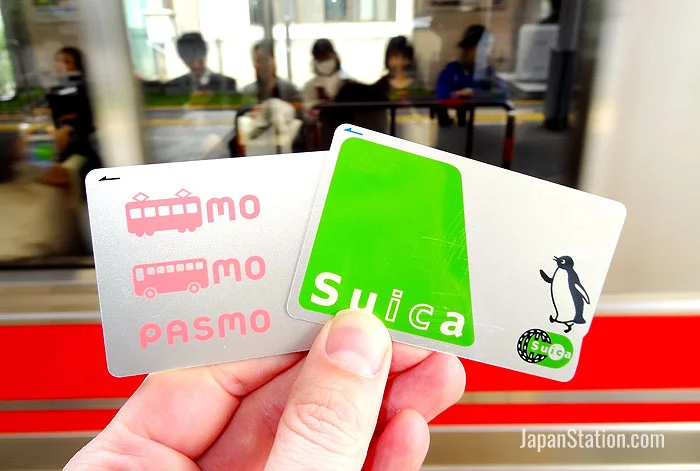
If you are going to spend time using public transportation in Japan, get an IC card before you start exploring. Suica and PASMO work in much the same way: you can tap through train gates, pay at many convenience stores and vending machines, and avoid constantly figuring out individual ticket prices.
And yes, this still applies if you are also going to Osaka. Suica and PASMO are accepted across much of Japan’s major transit network, including Tokyo, Kyoto, and Osaka. ICOCA is the local IC card you will see more often in the Osaka area, but you do not need to collect a different card for every city. One loaded Suica or PASMO is usually enough for a trip that includes Tokyo and Osaka.
If you use an iPhone, you can add a digital Suica or PASMO to Apple Wallet. You can also use the official Welcome Suica Mobile app for a visitor-focused Suica option. Set it up before your flight if you can, add money to it, and make sure it is ready before you need to pass through a station gate. Compatibility and payment-card support can vary, so test it early.
If you prefer a physical card, look for a Welcome Suica vending machine or the JR East Travel Service Center at Haneda Airport. Welcome Suica is designed for short-term visitors, does not require a deposit, and can be reloaded during your trip. It is valid for 28 days, so only load what you think you will use because the remaining balance is not refunded. JR East’s Welcome Suica guide has current details. You can also learn about PASMO options on the official PASMO visitor page.
My advice: get your card, load it(in your origin country), and test it by buying a bottle of water from a vending machine before you head to the train station. That way, you know it is working before you are trying to navigate a busy station for the first time.
Set up your internet before you fly
Having internet as soon as you land is one of the best things you can do for yourself. You will want Google Maps right away for finding your terminal, vending machines, the train station, and eventually your hotel or Airbnb. Download offline maps too, but do not rely on airport Wi-Fi alone.
An eSIM is an easy option if your phone is unlocked and supports eSIM. Holafly and Saily both offer travel eSIM options for Japan. Install the plan before leaving home so it is ready to activate when you arrive. These plans are usually data-focused, which is enough for Google Maps, translation, messaging apps, and ride-share apps. Check each plan’s current data allowance, hotspot policy, and whether you need a local phone number before purchasing.
If you already use Verizon, check your account before traveling. Verizon TravelPass can provide international talk, text, and data in Japan, while some Verizon unlimited plans include international-data benefits. The exact allowance, speed, and price depend on your plan, so confirm it in the Verizon app before you leave and make sure international roaming is enabled.
Whichever option you choose, set it up and test it before departure. Save your accommodation address, important confirmations, and a backup contact offline. It is much calmer to land with a working phone than to troubleshoot connectivity while tired and trying to find your way around a new country.
Set up Visit Japan Web before you land
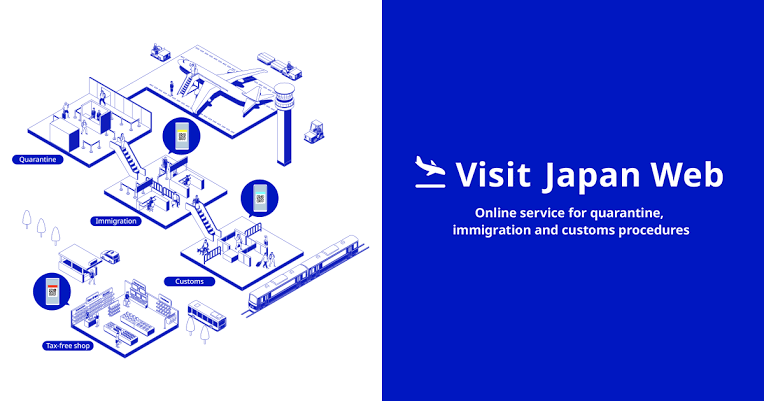
Visit Japan Web is Japan’s official online service for completing immigration and customs information before arrival. Set up your account before your trip, register your passport and flight details, and complete the entry information for your visit. Doing this ahead of time can make the arrival process much smoother.
Make sure the address for your hotel or Airbnb is correct before you submit it. I had a small mistake in mine and had to correct it during the arrival process. It is a simple thing to double-check at home that can save you stress after a long flight.
One important lesson from my own arrival: do not rely only on a screenshot of your QR code. I tried using one, but the immigration officer wanted me to open Visit Japan Web and display the current QR code from the website. Your experience may differ, but I would bookmark the official site, keep your login details accessible, and make sure you have working internet when you land.
Quick checklist before your flight:
- Create your Visit Japan Web account.
- Register your passport, flight, and accommodation details.
- Double-check the accommodation address before submitting.
- Bookmark Visit Japan Web on your phone.
- Save your login details somewhere secure and accessible.
- Have internet ready when you land so you can open the live QR code if needed.
Also, I found this video very useful for my own trip and setting up the website: Don’t Make This Mistake with Visit Japan Web
If flying makes you anxious
Flight anxiety was one of the biggest challenges of my trip. A resource that helped me was watching aviation videos from creators such as Captain Steeeve, which made commercial flying feel less mysterious. Learning that pilots and crews train around detailed procedures, checklists, and multiple safety layers helped me put the fear into perspective.
When booking, consider an aisle seat—or an exit-row seat if you are eligible and comfortable with the added responsibility. Having the freedom to stand up, walk to the bathroom, or stretch without asking someone to move would have made a real difference for me. I had a window seat and it was NOT worth it as someone with anxiety!!
Once I was in the air, I had to be deliberate about not feeding the anxiety loop. My Apple Watch kept alerting me to my elevated heart rate, and seeing the numbers repeatedly was making me spiral, so I took it off. If you notice a device, thought, or habit making you more anxious, remove it from yourself and put it away.
Another thing that helped me was going to the bathroom and washing my face with cool water. You could also bring a few face wipes for a quick reset. It did not erase the anxiety, but it gave me a small grounding moment and helped break the cycle and made the rest of the flight more relaxing after getting that stimulation.
If flight anxiety is severe or affects your ability to travel, speak with a qualified healthcare professional before your trip about a plan that works for you and maybe if see if you can get medication for extreme cases.
Arriving in Tokyo can feel… crazy
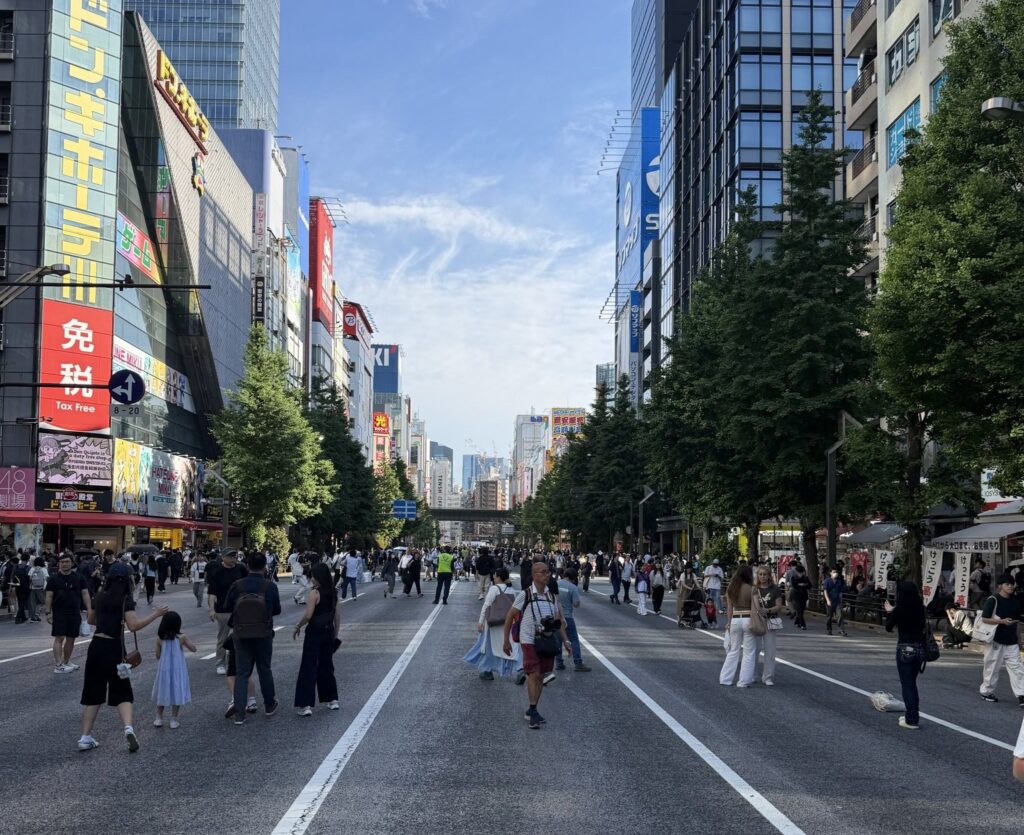
Tokyo is orderly and safe-feeling, but it is still a huge unfamiliar city after a long flight. My arrival night was rough: immigration, transit, humidity, finding the apartment, and then figuring out unfamiliar bath controls while exhausted.
My best advice: treat the first night as a landing night, not a sightseeing day. Also, even if you are landing at night, try and sleep on the flight. All the new sights, unknown places and people, will DRAIN YOU!
If you arrive at Haneda Terminal 2 or Terminal 3, look for a vending machine before heading to the train station. Buy a bottle of water—after a long flight, you will probably want one anyway—and use it as a way to test your Suica card because you will need that to use the train… unless you want to manually buy tickets every… single… trip. Then you won’t end up holding up the train-station line.
There should also be a Lawson downstairs, depending on your terminal. Pick up snacks or something simple to take back to your hotel or Airbnb. I feel like the airport convenience store is a forgiving place for your first conbini visit: you can get comfortable with the basic process before trying it elsewhere in Tokyo.
If you are nervous about the routine, watch this quick convenience-store walkthrough before your trip or on your first night:
ChatGPT Really Helped me
I know a lot of people really don’t like AI right now, but I had to include this in my post here since it really did help me.
I used ChatGPT to research Japanese etiquette, how to use the trains, the washing machine, the shower, etc! It helped me so much, even when I had to buy laundry detergent at the store and needed live translations.
So, if you are cool with it. I 100% recommend it as a very useful travel tool.
Your Airbnb is your base camp
For solo travel, your room matters more than you might think. It is not just where you sleep, it is where you can have a “home away from home” while in Japan.
Give yourself time to learn:
– The shower and bath controls
– Laundry machines and drying settings
– Toilet buttons and flushing
– Trash rules
– Noise etiquette
– The closest convenience store and station
I stayed near Kinshichō and Tokyo Skytree in Sumida. Once I understood the apartment and the neighborhood, it stopped feeling like a confusing foreign place and started feeling like my temporary home.
Learn Tokyo one station at a time
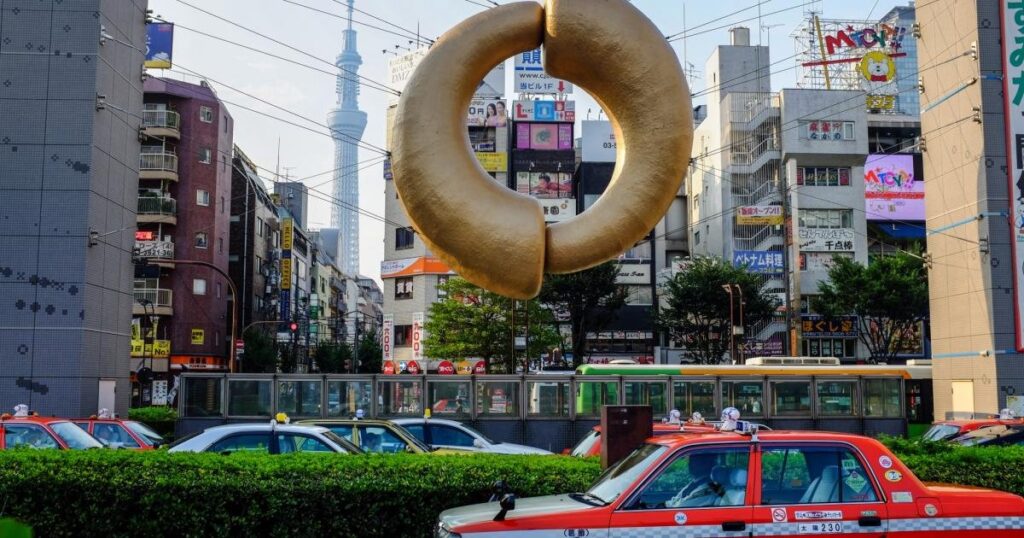
Tokyo’s transit system looks intimidating from far away. In practice, it became one of the most empowering parts of the trip.
Start small. Pick one destination. Check the route. Follow the signs. If you make a wrong turn that is fine, just back-trace and begin again.
A few basics helped me:
– Avoid rush hour when possible, around 4pm to 9pm.
– Stand to the side and let people exit first.
– Be aware of which door will open next(The signs above will tell you).
– Know the name and number of your stop.
– Use Google Maps but prepare for temp loss of service underground.
– Keep your bag compact in crowded trains and wear it in front.
– Don’t eat on regular commuter trains.
– Leave extra time for transfers; stations can be enormous.
Soon, the trains became freedom. I could wake up, decide I wanted ramen, shopping, Akihabara, Shinjuku, or Skytree, and just go.
Convenience stores are AMAZING!
Lawson, 7-Eleven, and FamilyMart are not just places to grab snacks. When you are tired, shy, overwhelmed, or not ready to sit in a restaurant alone, they are an easy way to keep yourself fed and moving.
I relied on convenience stores constantly. They made the trip so nice! They were predictable after visiting a few times, always had fresh food, non-complicated check-out process, and AMAZING staff!
I would give them a good try! Try different variations of food, try the ramen, eggs, etc! Also, the sweets are amazing and the bread is super soft! If you are looking for a drink I recommend the lemon sparkling water, I had one almost every day!
One more thing: Lawson has the best chopsticks out of every Combini!
Expect a lot of walking
Tokyo will humble your feet.
Between stations, stairs, shopping streets, and wandering, I was regularly walking 10,000 to 17,000 steps or more. I got a blister by the second day.
Bring shoes you trust. Use insoles if you need them. Pack blister care. and take a break if you need to, don’t make yourself continue to walk around if your feet are BEAT because you still want to be able to go out later on!
Do things that scare you
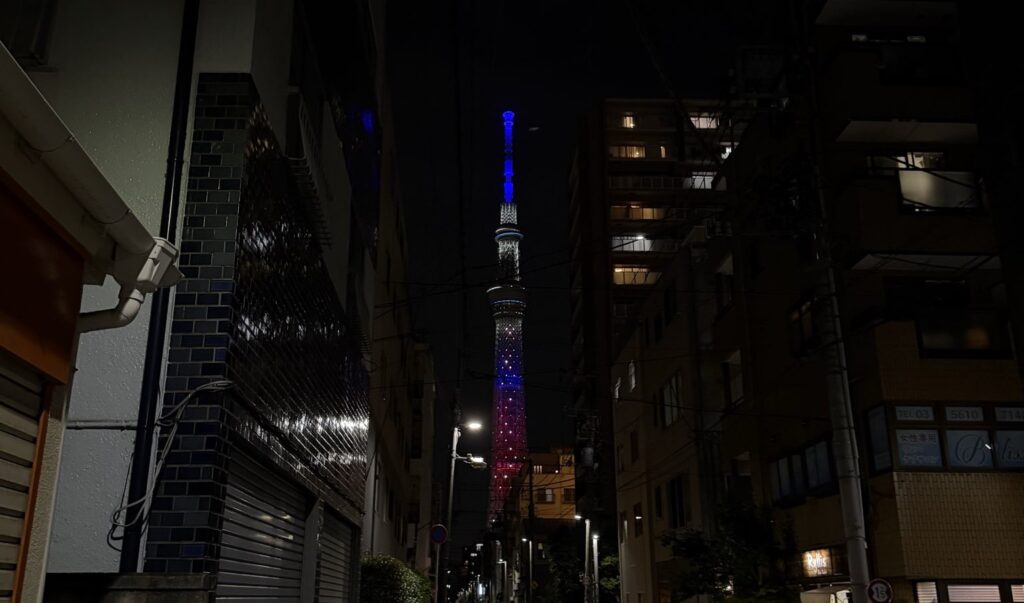
Tokyo Skytree was a big moment for me because I do not love heights. I was scared, but I did it anyway.
Going in solo and pushing yourself like that has a big impact. This whole trip was just me and I forced myself to do something I usually would shy away from because, you already made it to Japan. YOU. HAVE. TO. DO. IT.
If there is something you really want to do—a view, a restaurant, a neighborhood, a day trip—go. Do not wait for a future travel partner who may never materialize.
Solo travel can be lonely, even in an incredible city
This was the hardest lesson.
Tokyo made me feel independent during the day. I was navigating trains, eating out, exploring, and solving problems alone. But at night, returning to an empty Airbnb could hurt.
Shopping sometimes became a distraction. I spent days hunting for technology in Akihabara and eventually came home with a used Japanese laptop and an iPad setup. They became meaningful souvenirs, but I also had to ask myself whether I wanted the item or whether I was trying to fill an emotional gap.
That is a useful solo-travel question: “Do I actually want this, or do I need rest, food, connection, or a quiet night?”
Bring something that helps you process the trip: a journal, notes app, camera, voice memos, or postcards. Some of my best moments were quiet ones—sitting on the rooftop of my building and realizing I had actually made it to Japan.
I did what I had been wanting to do for so long, by myself.
Respect the place you came to see
Japan is not a theme park, and Tokyo is not built around tourists.
Learn a few phrases. Keep your voice down in shared spaces. Follow local rules. Be patient when things are unfamiliar. Notice when an area is crowded and avoid adding to the chaos if you can.
You do not need to be perfect. Just be considerate.
This was my biggest rule for myself while on my trip, don’t become the inconvient and annoying tourist if you can. You have to remember, everyone else is living their normal life, working and just trying to move forward.
Coming home may be harder than you expect
Nobody prepared me for the emotional crash after returning.
Tokyo’s walkability, trains, late-night food, safety, cleanliness, and feeling of life happening outside your door made home feel different afterward. I came back feeling like it was a fever dream, restless, and more aware of what I want from my future. My post Japan trip depression was… IS REAL!
That feeling is not proof that the trip was a mistake. It can be proof that it mattered.
Japan did not solve every problem in my life. But it showed me that I could travel internationally, handle hard things alone, keep studying Japanese, and build a life with more travel in it.
Final advice for nervous first-time solo travelers
Go prepared, but do not wait until you feel completely ready.
You will probably get confused. You may feel lonely(Like me). You may take a wrong train, have an awkward ordering moment, or need an early night.
And then you will solve it.
That is the real souvenir of solo travel: not just photos, purchases, or places you can say you visited. It is the evidence that you can step into a completely unfamiliar world and find your way through it.
AND I FRIKEN WENT TO JAPAN BABY!! WHOO!

I hope you enjoyed this blog post and found it useful! Thank you so much for reading! I plan to go back… hopefully next year, so follow me on X for future Japan trip updates: @RenosBlog
Places to check out
Below is a small list of places to check out while in Japan, just some of the cool spots I visited personally.
Here it is:
Matsuya – 松屋 錦糸町北口店
It’s a small beef bowl spot, I got the cheese beef bowl every time I went. It was never really packed and the machine by the door was dead easy to use!
Hard Off Kinshicho Marui Store – ハードオフ錦糸町マルイ店
This is a Hard Off store that is in a like.. 6 story mall. It was hard to find at first because on Google Maps it shows it as in another spot. It’s on the 4th floor I think? You will find it I am sure haha!
Sushiro – Asakusa Azumabashi – スシロー 浅草吾妻橋店
Next we have Sushiro! This was one of my fav spots during the trip, this specific location is right by a nice river and the Asahi beer building!
By the River – 伊藤遊船
For this next spot it’s not really a place but I marked this building so you can find where I am talking about. It’s a nice area by the river where people fish for Oysters but you can sit and relax by the water as the trains go over you haha… It’s a cool spot.
Hakata Furyu Akihabara flagship shop – とんこつラーメン 博多風龍 秋葉原総本店
Last but not least for this short list is this Ramen shop in Akihabara! Yes, it is a tourist spot but the Ramen was AMAZING and it was super accommodating. It was the first Ramen spot I went to and really broke the ice for me.
Leave a Reply